
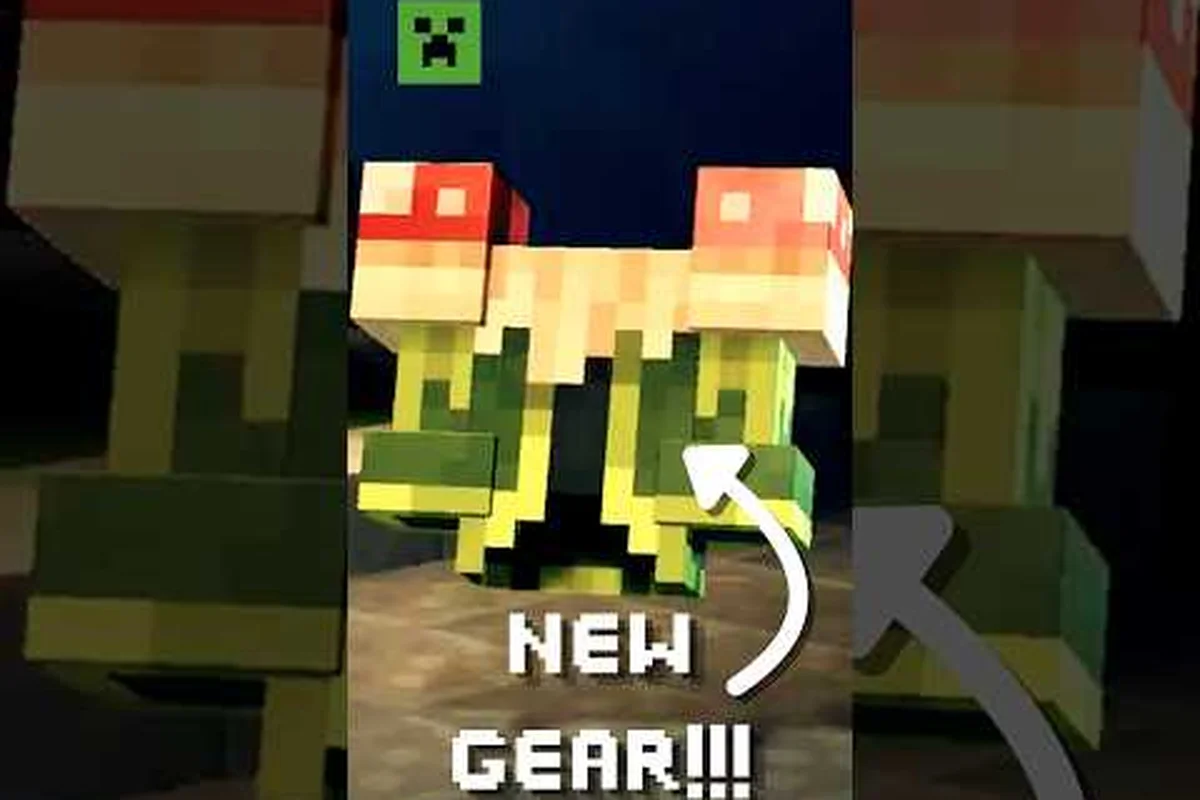
A strong minecraft dungeons ii dps build starts with one fact that reshapes everything: the sequel has no classes, so your damage is entirely a product of the gear you stack. According to Xbox Wire's hands-on preview, every hero carries one melee weapon, one ranged weapon, three artifact slots, four individual armor pieces, and three talisman slots, which means each damage number is the result of deliberate synergy rather than a chosen archetype. That design turns the DPS build into a puzzle you solve before the September 29 launch, because the same loadout that shreds a horde can collapse in a boss fight if your sustain is missing. Get the damage loop right early and you will outpace players who simply equip the highest power level they find.
Building a DPS Loadout From the Six Equipment Slots
The first step in any minecraft dungeons ii dps build is understanding how the six-slot system distributes your offense. Melee weapons deliver the highest sustained single-target damage, ranged weapons handle pressure from a distance, and the three artifact slots carry the active abilities that turn a steady rotation into burst windows. The four armor pieces are not just defensive padding either, because several pieces roll damage modifiers that scale with your weapon type, and the three talisman slots layer passive effects that can double your effective output without you pressing a single button.
Because there is no class system, your identity as a DPS player is defined by the combination you commit to. A melee-first loadout wants a fast weapon with high attack speed and a regen spot enchant to stay alive while trading blows, whereas a ranged-first loadout wants a bow or crossbow with pierce and multishot to clear trash before it reaches you. The table below breaks down what each slot contributes to a DPS-focused setup:
| Slot | Primary DPS Role | Best Early Modifiers | Common Mistake |
|---|---|---|---|
| Melee Weapon | Sustained single-target burst | Attack speed, crit chance | Ignoring the regen spot enchant |
| Ranged Weapon | Horde thinning and pressure | Multishot, pierce, ricochet | Using it as the only damage source |
| Artifact Slots (3) | Burst windows and utility | Damage fields, summons | Hoarding them for bosses only |
| Armor Pieces (4) | Survivability that keeps DPS up | Damage reduction, cooldown | Stacking pure power with no defense |
| Talisman Slots (3) | Passive multipliers | Companion, cooldown, crit | Treating them as afterthoughts |
The Melee and Ranged Damage Split
Most strong DPS setups commit to one primary weapon and use the other as a support tool rather than splitting damage evenly. A melee-first DPS build wants a weapon with a wide swing arc for horde fights, because the regen spot enchantment triggers on kills and each kill in a dense pack creates another healing zone under your feet. A ranged-first setup, by contrast, wants a weapon that can pierce through lines of enemies so that every arrow contributes to the same damage pool, and it pairs that with artifacts that slow or group enemies into a single firing line.
The trick is to let your armor and talismans decide which side you lean toward. If your armor rolls cooldown reduction, then a melee build that spams damaging artifacts every few seconds will out-damage a ranged build that relies on slow reloads. If your talismans grant crit chance, a fast melee weapon multiplies that value because each hit rolls the crit independently. For a deeper look at how the passive layer shifts your priorities, the talisman combos guide breaks down which passives pair with aggressive weapon choices.
The Regen Spot Enchant: Sustained Damage in Horde Fights
The single most important enchantment for a minecraft dungeons ii dps build is the regen spot, which Xbox Wire highlighted in its demo coverage. When you kill an enemy, the enchantment has a chance to create a regen spot on the ground that heals both you and your companion during the fight, and because it triggers off kills rather than a timer, it scales naturally with your damage output. The faster you kill, the more spots you create, which means the enchantment turns your offense into defense without forcing you to sacrifice a single damage modifier.
This is why the regen spot is the backbone of the horde-clearing DPS build. In a dense wave, every kill can spawn a spot, and standing in the overlap of two or three spots keeps your health bar topped off while you keep swinging. The effect is especially strong for a companion build, because the healing applies to your dog companion as well, which lets your summon stay in the fight longer and keep drawing aggro away from you.
Why Regen Spots Outperform Static Healing
Static healing effects, like potions or timed heals, run out of value the moment your health is full, but regen spots are generated by the exact action you're already doing, which is killing. That means the enchantment scales with your build's clear speed, and the faster you clear, the more sustain you get. The table below compares the three sustain options a DPS player typically considers:
| Sustain Option | Trigger | Best For | Weakness |
|---|---|---|---|
| Regen Spot Enchant | Kill-based, scales with DPS | Horde fights, melee builds | Needs constant kills |
| Potion / Bandage | Manual, fixed cooldown | Boss fights, panic healing | Runs out in long fights |
| Life Steal | Percent of damage dealt | Single-target DPS | Weak against hordes |
The practical takeaway is that you want the regen spot on your main damage weapon, and you want your secondary sustain to cover the gaps. When you face a boss that spawns no adds, the regen spot stops generating, so you need a potion or a lifesteal modifier as a backup, which is why the best DPS builds carry both rather than relying on one.
Artifact Combos That Multiply Your Damage Window
The three artifact slots are where a minecraft dungeons ii artifact build really comes alive, because artifacts are the active abilities that turn steady DPS into burst windows. The original game's famous firework arrow build showed how powerful a single artifact combo could be, and the sequel's three slots allow for far deeper stacking. The key is to build artifacts that cover the same damage window rather than three unrelated abilities that each fire on their own cooldown.
A strong artifact combo chains a damage field, a crowd-control effect, and a burst finisher. For example, you can drop a damage field that slows enemies, then use a knockback artifact to push them into the field, then follow with a high-damage artifact that hits the clumped group. Because all three artifacts share the same cooldown pool, you want them to work together in a single rotation rather than being used one at a time.
Three Artifact Archetypes for DPS
| Archetype | Artifact Role | Example Combo | Best Loadout |
|---|---|---|---|
| Burst Window | Stack damage in 3-5 seconds | Damage field + slow + finisher | Melee-first, cooldown armor |
| Sustained Pressure | Constant damage over time | Poison cloud + burn + pierce | Ranged-first, crit talismans |
| Survivability DPS | Damage that also protects | Regen totem + shield + dog | Companion build, solo runs |
The best artifacts for a DPS build are the ones that match your weapon's rhythm. If your melee weapon swings fast, you want artifacts that amplify attack speed or add damage on each hit, because every swing benefits. If your ranged weapon fires slow but hits hard, you want artifacts that slow enemies or group them, so each shot hits more targets. For a full ranking of which weapons and artifacts sit at the top, the tier list guide ranks every option by its contribution to a DPS rotation.
The Dog Companion Build: Support That Keeps Damage Alive
A minecraft dungeons ii companion build centers on the bone talisman, which summons a dog companion that attacks enemies, draws aggro away from you, takes damage in your place, and respawns on a short timer after going down. Xbox Wire called the dog its favorite demo find, and for a DPS player the value is obvious: the dog is a second body that keeps enemies off you while you keep dealing damage. This is the core of a minecraft dungeons ii support build, because the companion effectively supports your own offense by absorbing the hits you would otherwise have to dodge.
The dog companion is especially strong when combined with the regen spot, because the regen spot heals the dog as well as you. That means the dog can stay in the fight longer, which means it draws aggro for longer, which means you get more uninterrupted damage windows. The synergy is the foundation of the best solo DPS build, because it lets you play aggressively without the risk of being swarmed.
How the Dog Changes Your Rotation
The dog companion changes your rotation in three ways. First, you can open fights by letting the dog pull aggro while you position behind the enemy group, which lets you land a full melee combo without taking damage. Second, the dog's respawn timer means you need to time your burst windows around its life, because when the dog goes down you lose the aggro buffer and need to fall back. Third, the dog's own attacks add a small but steady DPS that matters in long fights, and it can trigger on-kill effects like the regen spot.
The dog companion build is also the natural bridge into a minecraft dungeons ii support build for co-op, because the same aggro-drawing mechanic that protects you in solo runs protects your teammates in a party. If you're playing with a glass-cannon teammate, the dog can keep the pressure off them while they deal damage, which makes the companion build one of the most flexible options in the game. For a deeper look at how talismans shape the passive layer, the talisman combos guide explains how the bone talisman stacks with other passive effects.
DPS Priorities for Boss Encounters and Solo Runs
A minecraft dungeons ii dps build that clears hordes beautifully can still fail on a boss, because bosses don't spawn adds and the regen spot stops generating. The fix is to carry a boss-specific rotation that doesn't rely on kills. That means swapping one artifact for a single-target finisher, keeping a potion ready, and using the dog companion to absorb the boss's heavy hits while you attack from the side.
For solo runs, the priority is sustain over raw damage. A solo DPS build needs enough survivability to survive the moments when the dog is down, so armor pieces that roll damage reduction and cooldown are more valuable than a pure damage roll. The table below shows how your priorities shift between horde and boss content:
| Situation | Priority | Best Choice | Why |
|---|---|---|---|
| Horde Clearing | Clear speed | Regen spot, wide swing | Kills generate sustain |
| Boss Fight | Single-target burst | Finisher artifact, potion | No adds, no regen |
| Solo Run | Sustain + DPS | Dog companion, cooldown armor | Survive without a team |
| Co-op Party | Support + DPS | Dog draws aggro | Protects glass cannons |
The Tornado Blade and the Enchanted
One of the gear pieces teased in the pre-order reveal is the Tornado Blade, which can be enchanted at the Enchantsmith to add a damage effect on top of its fast swing speed. For a DPS build, a fast weapon like the Tornado Blade is ideal because it triggers on-hit effects constantly, and when you pair it with the regen spot, every swing has a chance to generate a healing spot. The Enchantsmith is where you customize the weapon, so you can reroll the enchantment until you land the regen spot plus a crit modifier.
The pre-order bonus also includes two hero skins, a Twisted cape, and a Twisted chicken pet, which are cosmetic but worth noting because they show the direction the gear system is going. The real value for a DPS player is the ability to enchant and re-roll weapons at the Enchantsmith, which means you can chase the perfect combination of damage and sustain rather than settling for whatever drops. For a full breakdown of the weapon families and their damage profiles, the melee weapons guide lists every option and its best enchantment.
Frequently Asked Questions
What is the best weapon for a minecraft dungeons ii dps build?
The best weapon depends on your playstyle, but a fast melee weapon with the regen spot enchantment is the strongest foundation for horde clearing. It generates healing spots on every kill, which lets you stay aggressive. For boss fights, swap to a high-damage weapon with a burst artifact.
How do I build a minecraft dungeons ii support build?
A support build uses the bone talisman to summon a dog companion that draws aggro and takes damage for you. Pair it with the regen spot enchantment so the dog gets healed, and use armor with cooldown reduction to keep the dog's respawn timer low.
What are the best artifacts for a DPS build?
The best artifacts are ones that cover the same damage window, like a damage field, a slow, and a burst finisher. For horde clearing, choose area damage artifacts; for bosses, choose single-target finishers. The three artifact slots should work together, not fight each other.
Can I use a dog companion build for solo runs?
Yes, the dog companion build is excellent for solo runs because the dog absorbs damage while you deal DPS. Combined with the regen spot, the dog stays alive longer and keeps the aggro off you. Just keep a potion ready for the moments when the dog is respawning.
Do I need to sacrifice damage for survivability?
No. The regen spot enchantment turns kills into healing spots, so your DPS loop sustains you through horde fights. Only boss encounters need a small buffer—carry a potion or the dog companion talisman, which draws aggro and takes damage in your place. The six-slot system keeps your damage intact, so no sacrifice is required.