
Gear & Loot
Minecraft Dungeons II gear and loot guide — four armor slots, melee and ranged weapons, three artifact slots, enchantments, rarity tiers and drop rates for building your perfect loadout.
Introduction
Gear is Minecraft Dungeons II's whole progression economy, and the sequel rebuilds it from the slots up. The headline change: armor splits into four individual pieces — helmet, chestplate, leggings and boots by series convention — replacing the first game's single-armor-set decision with genuine mix-and-match tradeoffs. Around them sit a melee weapon, a ranged weapon, three artifact slots for active abilities, and the new three-slot talisman layer on top. Loot itself follows the series' rarity logic across common through unique tiers, with enchantments modifying everything they touch. An improved inventory menu makes comparing and sorting finds dramatically smoother than the 2020 original, which matters when four-player co-op sessions generate shared drops at scale. This section covers each slot's role, how enchantment economy works, what the rarity ladder means in practice, and where farming effort pays off once launch data maps the drop tables.
Equipment Slot Reference
| Slot | Count | Function | Sequel Change |
|---|---|---|---|
| Melee Weapon | 1 | Primary damage — swords, axes, daggers | Enchants like regen spots on kill |
| Ranged Weapon | 1 | Bows and crossbows for distance play | Pairs with new jump mobility |
| Artifacts | 3 | Active abilities on cooldowns | Carried over from first game |
| Armor Pieces | 4 | Individual defensive slots | New: split from one set |
| Talismans | 3 | Continuous passive effects | Brand-new system |
Slot Breakdowns
Armor System Rework
One set becomes four choices
Weapon Enchantments
Kill-triggered sustain confirmed
Artifact Slots
Three active buttons per hero
Talisman Slots
The sequel's passive layer
Rarity & Uniques
The loot ladder ceiling
Core Mechanics
The six-slot framework rewards understanding interactions over collecting individual pieces. Weapons define your combat rhythm: melee enchantments trigger on their own hits — officially demonstrated via healing regen spots spawning where enemies die — while ranged weapons leverage the jump ability for positioning that the first game could not offer. The four-piece armor split changes decision math fundamentally: instead of one set bonus versus another, every piece competes independently on stats plus whatever passive or enchant capacity it carries. Artifacts remain the active layer, three cooldown-driven buttons whose real value lies in rotation chains rather than isolated use. Talismans overlay continuous passives on all of it. The improved inventory system exists because this creates comparison load — sorting by slot, rarity and enchant quality happens constantly, and the sequel's menus are built to keep four-player loot sessions moving. Rarity tiers gate the ceiling of all these systems, with uniques historically carrying build-defining effects worth building around.
Advantages
The reworked gear system fixes the original's most common complaint: dead drops. When armor was one set slot, most finds were instant vendor trash; with four competing pieces plus talisman slots absorbing passives, a much larger share of loot has evaluation value, keeping drop excitement alive longer. Mix-and-match armor also democratizes defense builds — hybrid resistances no longer require sacrificing an entire set bonus. The inventory overhaul respects session time: smoother compare-and-sort loops mean less menu friction during co-op nights where four players sort shared spoils. For planners, the six-slot architecture is transparent enough to theorycraft before farming — you can know what your target loadout looks like and reverse-engineer which pieces to chase. And because Mojang detailed these systems publicly pre-launch, day-one farming routes can prioritize correctly from the first dungeon instead of wasting the opening week on mispriced goals.
Challenges
More slots means more decisions, and that cost lands on newer players first. Four armor pieces triple the evaluation burden per drop compared to set-based systems, and mispriced pieces — items that look strong but lack enchant capacity — waste both inventory space and the enhancement currency invested into them. Pre-launch information gaps compound this: exact rarity distributions, enchant roll ranges and power-level scaling curves are all unmapped until September 29, so current guidance describes systems without promising numbers. Drop-rate opacity is the classic dungeon-crawler pain point, and nothing announced yet suggests this entry escapes it; expect community spreadsheets to do heavy lifting in launch weeks. There is also a hoarding temptation inherent to mix-and-match design — keeping 'maybe useful later' pieces bloats inventory fast, and while the improved menus help, discipline still beats storage. Our guides flag which early-game investments reliably carry forward versus which get replaced naturally.
Frequently Asked Questions
How does armor work differently in the sequel?+
What are the six equipment slots?+
How do enchantments work?+
Is the inventory really better than the first game?+
Quick Tips
Evaluate armor pieces individually now — set-thinking from the first game will cause you to discard mix-and-match pieces that would have carried your build. With four independent slots competing on stats plus enchant capacity, a lower-rarity piece with the right passive routinely outperforms a shiny higher tier that fits nothing. Judge every drop on its own merits.
Regen-spot enchants reward forward positioning: the healing spawns where enemies die, so your engagement distance directly controls your sustain. Retreat too far and the spots generate behind you where they heal nobody; push forward and every kill becomes a health station. This single mechanic should reshape how aggressively you route through mob packs.
Sort by slot, not just rarity — with twelve total equipment slots, a well-rolled lower-rarity piece often beats a poorly-rolled higher tier. The improved inventory menus make slot-filtered comparison fast, so build the habit early: check what each candidate piece offers its specific slot before letting a gold-colored rarity border make the decision for you.
Resist hoarding maybe-pieces beyond a single inventory page; launch-week replacements come fast and storage discipline beats menu clutter. The improved comparison tools help, but no sorting system fixes a hoard — if a piece does not beat something equipped or fill a documented gap in your target loadout, vendor it and keep the evaluation surface small.
Wait for community drop-rate mapping before committing farming marathons — pre-launch rarity assumptions have burned every dungeon crawler's week one. Play naturally through the connected Overworld first, note which slots feel underpowered, then direct farm effort at verified gaps once the community's spreadsheets separate real drop rates from launch-week noise.
Featured

Minecraft Dungeons II Gear Guide: Armor System Basics
Master the Minecraft Dungeons II gear guide: six equipment slots define your hero, no classes. Learn melee, ranged, armor, and artifact picks for every build.
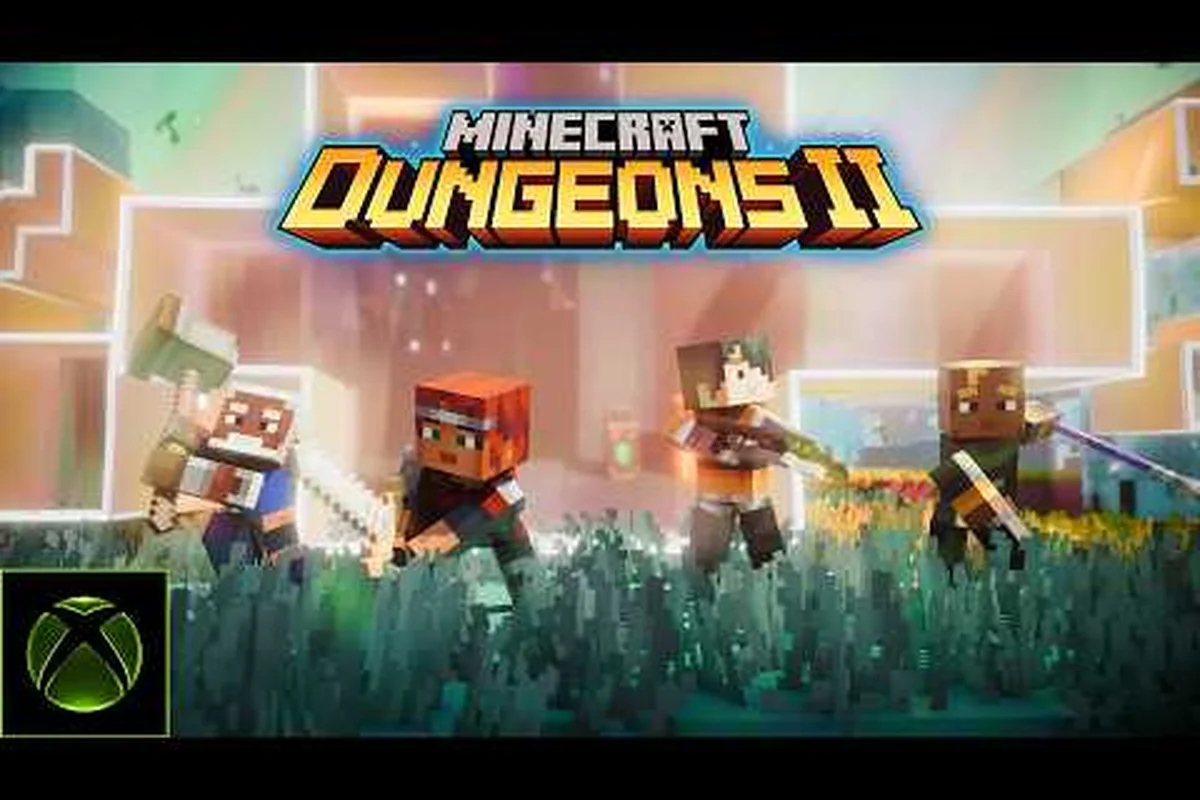
Minecraft Dungeons II Swords: Melee Picks and Ranged Vantage
Master Minecraft Dungeons II swords: learn which melee families and enchantments shine, and how the jump's ranged vantage redefines the best picks.
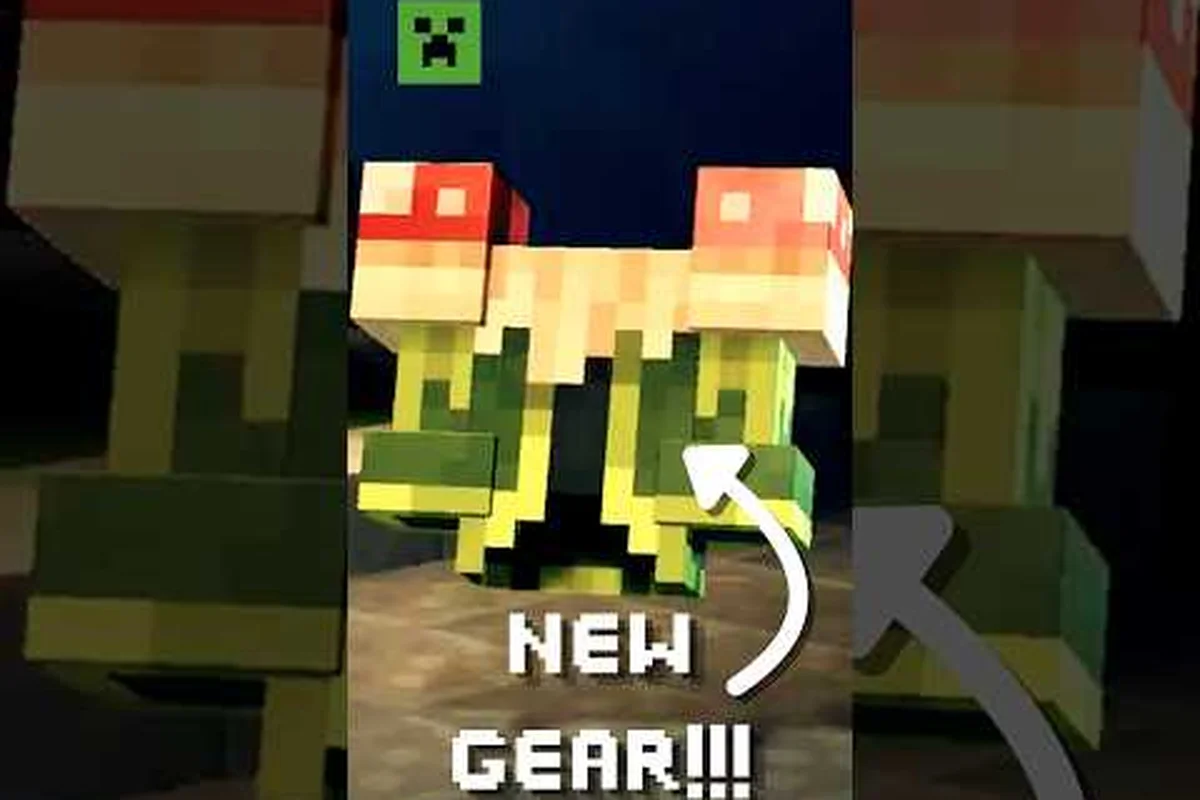
Minecraft Dungeons II Best Enchants: Regen Spot & Tornado
Master Minecraft Dungeons II best enchants: learn the regen spot enchantment that heals you and your companion, plus the Enchantsmith's Tornado Blade workflow.
All Articles
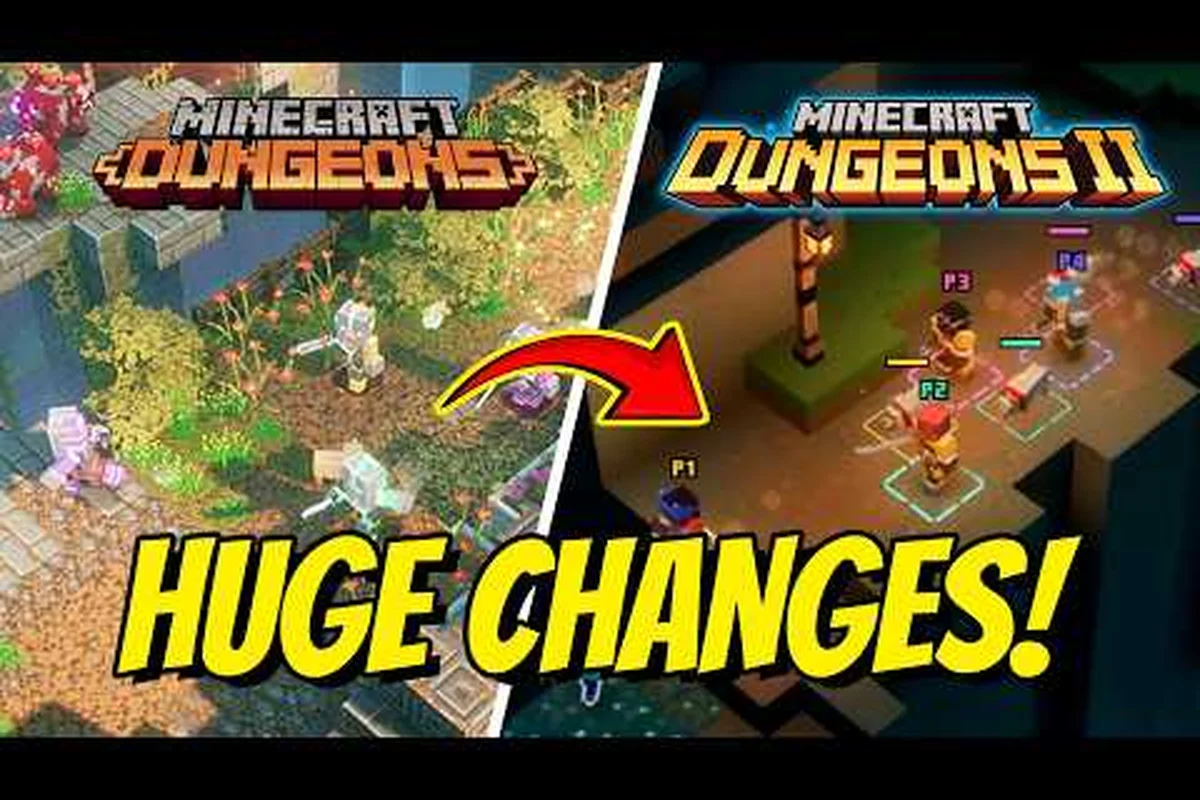
Minecraft Dungeons II Drop Rates for Rare Loot Farming
Learn Minecraft Dungeons II drop rates: which rarity tiers yield loot for your six slots, where rare loot comes from, and how loot tags reward every delve.

Minecraft Dungeons II Helmet: Six Slots and Inventory
Master Minecraft Dungeons II helmet: one of four armor slots that shape your hero. Learn how inventory improvements and no-classes builds work together.
Minecraft Dungeons II Melee Weapons: Enchantment Combos
Master Minecraft Dungeons II melee weapons with enchantment combos that turn the jump into a ranged advantage. Discover top picks for the six-slot build.