
Tier List
Minecraft Dungeons II tier lists ranking the best weapons, armor sets, artifacts and talismans from S to C tier. Data-driven rankings for melee, ranged and endgame gear as the meta develops.
Introduction
Tier lists for Minecraft Dungeons II come with an honest disclaimer: the game unlocks September 29, 2026, and no genuine endgame meta can exist before then. What this section offers instead is structure. Rankings here are preview-informed expectations — grounded in what Mojang officially demonstrated (the companion talisman, regen-spot enchantments, four-piece armor mixing) and in patterns inherited from the 2020 original, whose loot logic trained a generation of players on what tends to overperform in this series. Weapons that scale with player skill, passives that generate sustain without input, and actives that control crowds have historically anchored S tiers across dungeon crawlers. After launch, these pages convert to data-driven rankings as the community measures real drop rates, enchant coefficients and boss timings. Until then, every entry tells you not just where it ranks but why it is expected to rank there.
Tier Expectations Preview
| Tier | Expectation | Typical Candidates | Confidence |
|---|---|---|---|
| S | Meta-defining once rankings settle | Companion talisman, regen enchants | Demo-confirmed mechanics |
| A | Reliable anchors across builds | Mobility artifacts, armor mixes | Pattern-based projection |
| B | Situational picks with clear niches | Co-op role fillers | Preview-informed estimate |
| C | Challenge-run or flavor choices | To be mapped post-launch | Pending real data |
Ranked Categories
Weapon Rankings
Melee and ranged projections
Talisman Rankings
The sequel's new passive layer
Artifact Rankings
Active-slot rotation math
Armor Piece Rankings
Four slots, piece by piece
Core Mechanics
Ranking gear in Minecraft Dungeons II requires weighing three layers that did not all exist in the first game. Weapon enchantments now include effects demonstrated officially — like creating healing regen spots on kills — which makes trigger frequency and positioning matter more than raw damage numbers alone. Artifacts occupy three dedicated active slots, so their value is measured both individually and as rotation chains: an artifact that enables another artifact's window ranks above one that merely matches its damage. Talismans add the newest variable: three passive slots whose demonstrated examples (companion summoning, aggro manipulation) suggest support effects may rank disproportionately high because they multiply party output rather than adding flat stats. Armor complicates everything by splitting into four pieces — set-thinking gives way to piece-by-piece evaluation. Our ranking methodology weights demo confirmation highest, first-game pattern transfer second, and community consensus third, re-sorting as each evidence tier improves after launch.
Advantages
A well-maintained tier list is the single most efficient planning tool a looter offers. Before you invest hours farming toward a specific enchantment or talisman combination, the rankings tell you whether the community expects that investment to hold up at endgame — saving you from building around gear that patches nerf two weeks later. The preview-informed format has a hidden benefit too: because entries explain their reasoning rather than just asserting positions, you learn the evaluation criteria themselves, which makes your own drops easier to judge independently. Once launch data flows in, having followed the reasoning means the re-ranked lists make sense instantly instead of reading like arbitrary shuffles. For co-op groups, shared tier references also streamline loot negotiation — when four players know why the companion talisman outranks a stat stick, hand-me-down decisions take seconds.
Challenges
Every pre-launch tier list carries structural weaknesses you should budget for. Numbers do not exist yet: no verified damage coefficients, no drop rates, no boss health pools — so rankings rest on demonstrated mechanics and series-pattern inference, both of which final tuning can invalidate. Demos mislead selectively: content Mojang showcases is tuned to impress, which historically inflates the apparent strength of flashy systems while quiet efficiency goes unrecorded. Meta shifts compound this — dungeon crawlers routinely see patch-week reordering that moves entire tiers, meaning any pre-launch ranking is a snapshot of expectations, not facts. We mitigate honestly: each entry labels its evidence level, nothing claims precision it lacks, and the full re-rank begins the moment September 29 data lands. If you need certainty, wait; if you need orientation, read the reasons, not just the rows.
Frequently Asked Questions
How accurate are tier lists before launch?+
When will real data-driven rankings arrive?+
What makes something S-tier in this game?+
Should I farm for specific gear before checking the tier list?+
Quick Tips
Read tier reasons, not just positions — understanding why the companion talisman projects S-tier teaches you to evaluate undiscovered gear the same way.
Demo-shown does not mean meta-final: showcased systems impress on stage, but quiet efficiencies often top them once players optimize after launch.
Re-check rankings after each patch note cycle — dungeon crawler metas move fastest in the first month when tuning is freshest.
In co-op, rank gear by party fit, not solo power — a B-tier support item can be your group's MVP in four-hero dungeons.
Featured

Minecraft Dungeons II Tier List: Launch Week Rankings
Discover the Minecraft Dungeons II tier list ranking every weapon, armor, artifact, and talisman. Learn which gear dominates the no-classes meta.

Minecraft Dungeons II Best Talisman Passives Ranked
Discover the Minecraft Dungeons II best talisman: the bone talisman summons a dog companion that draws aggro, tanks damage, and respawns on a short timer.

Minecraft Dungeons II Item Rankings for Every Slot
Rank every gear slot with the Minecraft Dungeons II item rankings guide. Discover which weapon families, armor sets, and artifact combos dominate the top meta.
All Articles
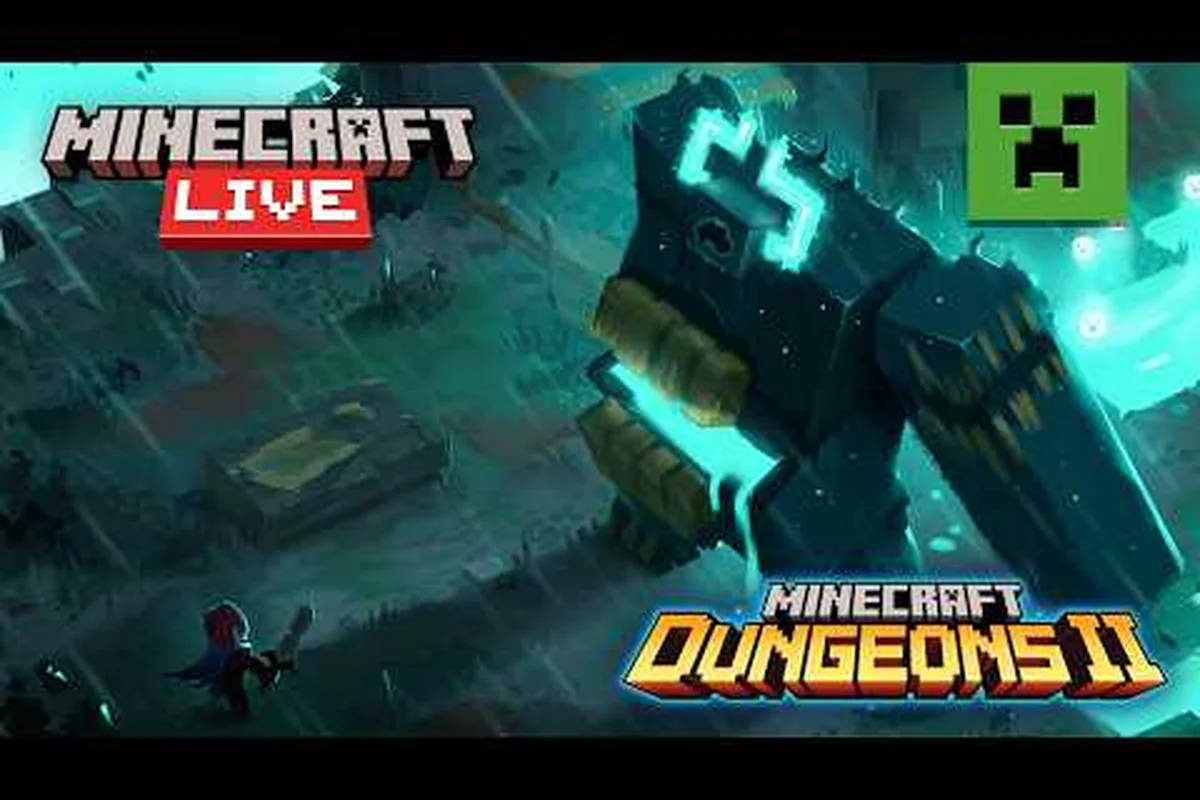
Minecraft Dungeons II Weapon Rankings: Ranged Vantage
Explore the Minecraft Dungeons II weapon rankings: ranged vantage from high ground and rifts into the Sift dimension redefine the best melee and crossbow picks.

Minecraft Dungeons II Rarity Guide: All Gear Tiers
Understand the Minecraft Dungeons II rarity guide: common through unique tiers, legendary gear drops, and how rarity shapes your six-slot build.

Minecraft Dungeons II S Tier Weapons: Endgame Top Picks
Find the Minecraft Dungeons II S Tier weapons for endgame. Discover which melee and ranged picks, enchantment rolls, and drop rates make the top tier.