co-op
Minecraft Dungeons II co-op guide — four-hero online play, split-screen couch sessions, matchmaking and full crossplay between PC, Xbox, PS5 and Switch.
Introduction
Minecraft Dungeons II is built to be shared. Up to four heroes adventure together through the connected Overworld, with online co-op across every platform and couch play through shared and split-screen options on consoles. The sequel's headline multiplayer feature is full cross-platform support: PC, Xbox, PlayStation and Switch players mix freely in the same parties out of the box — no platform gating, no separate lobbies. Matchmaking fills gaps when friends are offline, and because there are no classes, four-player teams naturally diversify loadouts rather than duplicating roles: one companion-talisman player tanking aggro while three damage dealers convert the free windows. This section walks through every setup path — inviting friends cross-platform, configuring local play on each console family, understanding difficulty scaling with party size, and the team-composition patterns that make four-hero sessions hum.
Multiplayer Modes at a Glance
| Mode | Platform | Players | Best For |
|---|---|---|---|
| Online Co-op | All platforms + crossplay | Up to 4 | Regular groups across ecosystems |
| Shared-Screen Couch | Consoles (PC per series precedent) | 2+ | Household play nights |
| Split-Screen Couch | Console families | Up to 4 | Mixed-skill local sessions |
| Matchmaking | All platforms | Fill to 4 | Solo players wanting company |
Setup Guides
Online Co-op Setup
Four heroes, any platform mix
Couch Co-op Modes
Shared and split-screen options
Team Composition
Roles without classes
Matchmaking Guide
Filling parties with random heroes
Core Mechanics
Four-player scaling is the mechanical heart of co-op in Minecraft Dungeons II. Enemy pressure scales with party size, which keeps four-hero runs challenging but also changes build math: crowd-control artifacts gain value as mob density grows, single-target burst loses relative worth, and sustain layers — regen-spot enchants, companion talisman tanking — become party-wide lifelines. Crossplay operates through platform account systems with your Microsoft account bridging progression, so heroes carry between PC and console sessions. Local play splits into shared-screen (one camera, players bound together) and split-screen (independent cameras), each suiting different household dynamics. Matchmaking rounds out parties with random heroes; since builds are gear-defined rather than class-locked, matched teams re-balance loadouts in minutes at the inventory screen instead of waiting for a specific class to queue. Voice chat and drop-in behavior follow platform norms, and Game Pass day-one availability means finding co-op partners at launch will be trivially easy across all four ecosystems.
Advantages
Crossplay without asterisks is the quiet triumph here — most co-op games still partition friends by storefront, while Minecraft Dungeons II treats four ecosystems as one pool from day one. For households, the dual local-play modes mean the game works both as a couples-on-one-couch experience and a full-family split-screen session, rare flexibility at this production scale. The no-classes design multiplies co-op value: because any hero can fulfill any role through gear, matchmaking never gates you behind tank-needed queues, and friend groups re-spec compositions between dungeons in inventory screens rather than character-select purgatory. Scaling that adapts enemy pressure to party size keeps two-player sessions from trivializing content while keeping four-hero runs survivable, which respects both duos and full lobbies. Add Game Pass day-one placement lowering the entry cost for potential teammates, and launch-week group-finding friction approaches zero — historically the hardest part of a new co-op game's first month.
Challenges
Honest caveats before you plan game night. Exact split-screen behavior on PC remains officially unconfirmed — console support is clear, but the first game's PC local-play limitations may persist, so verify before promising a five-person living-room setup. Crossplay account requirements add setup friction the first time only: everyone links platform accounts to Microsoft identities, and mixed-platform voice chat routing varies by ecosystem until tested. Scaling cuts both ways — solo-trained builds sometimes underperform in four-hero pressure without crowd-control adjustments, and pickup groups via matchmaking cannot coordinate talisman roles the way established squads do, making pub sessions noticeably harder than premade ones. Connection quality matters more than in the single-player original: host-side performance influences session stability in ways solo players never encounter. None of these are dealbreakers, but knowing them beforehand converts frustration into configuration — check back post-launch for verified platform-specific behavior notes.
Frequently Asked Questions
How many players can play Minecraft Dungeons II together?+
Does Minecraft Dungeons II have crossplay?+
Can I play split-screen on the couch?+
What makes a good four-player team composition?+
Quick Tips
Link your Microsoft account before game night — crossplay progression bridging needs it once, and doing it mid-session wastes everyone's time.
Assign companion-talisman duty deliberately in four-player runs: coordinated aggro control beats four improvising damage dealers every time.
Scale your build to the lobby: crowd-control artifacts gain value as party size grows, while pure single-target burst falls off in four-hero mob density.
Choose shared-screen for story pacing with a partner, split-screen when skill levels differ — independent cameras stop strong players dragging weak ones past loot.
Featured
Minecraft Dungeons II Invite Friends: 4-Player Party Setup
Invite friends in Minecraft Dungeons II for a four-player party. Set up online matchmaking, join via Game Pass, and play together on September 29, 2026.
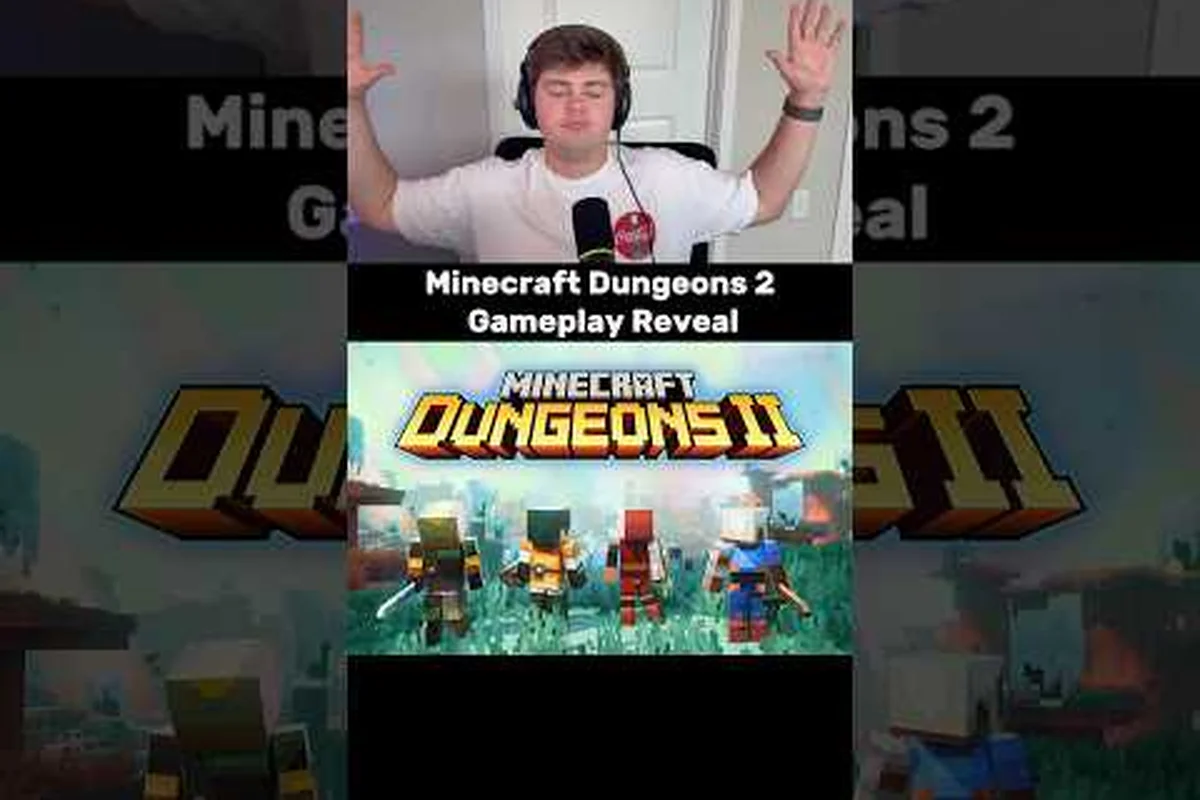
Minecraft Dungeons II Co-op Guide: Drop-In and Matchmaking
Master Minecraft Dungeons II co-op guide: difficulty scales with each hero, drop-in lets you join, and matchmaking connects up to four players.
Minecraft Dungeons II Split Screen: 4-Player Couch Co-op
Play Minecraft Dungeons II split screen with up to four heroes on one console. Learn couch co-op setup, online matchmaking, and cross-platform play at launch.
All Articles
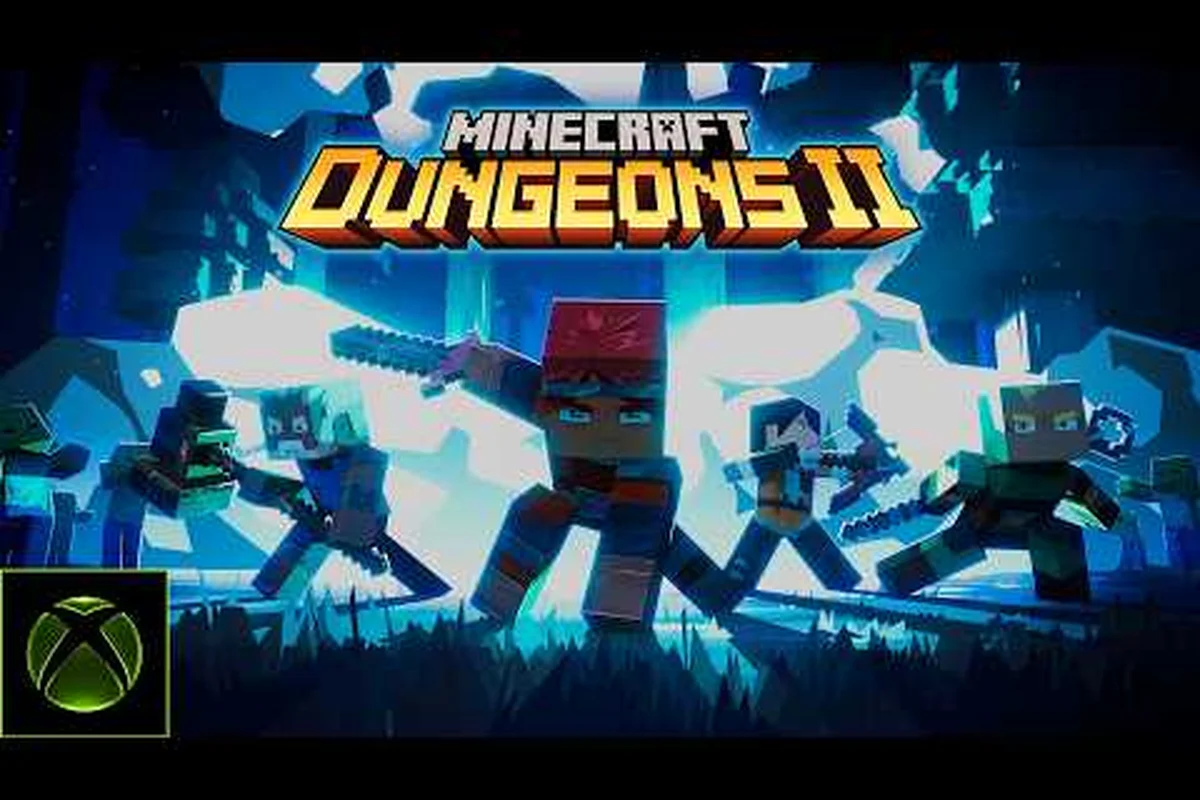
Minecraft Dungeons II Local Co-op: No Online Required
Master Minecraft Dungeons II local co-op: play together on one console without online. Learn shared-screen setup and player count for couch sessions.
Minecraft Dungeons II PS5 Multiplayer: Cross-Play and Co-op
Master Minecraft Dungeons II PS5 multiplayer with cross-play. Team up with Switch, Steam, and Xbox players, plus local co-op and matchmaking.
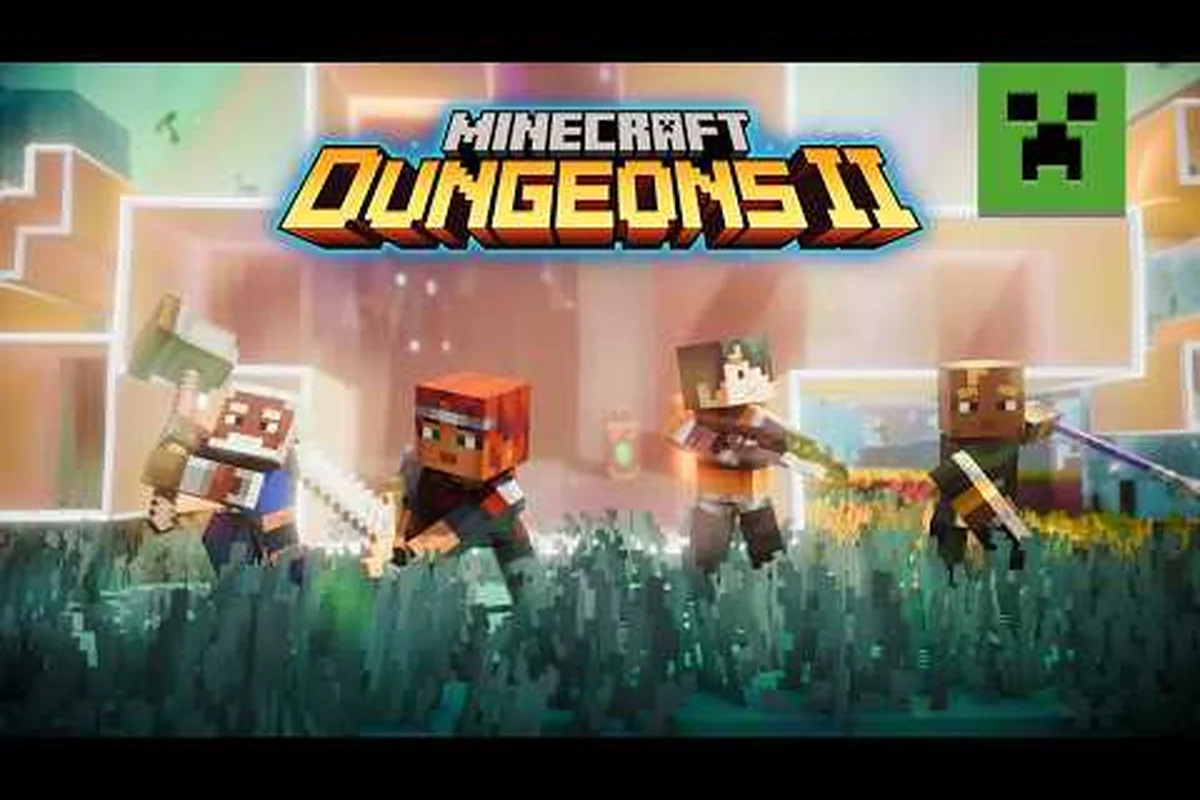
Minecraft Dungeons II Team Composition: 4-Player Roles
Build the best Minecraft Dungeons II team composition for four-player co-op. Discover role combos, voice chat tips, and how cross-save keeps your party synced.