
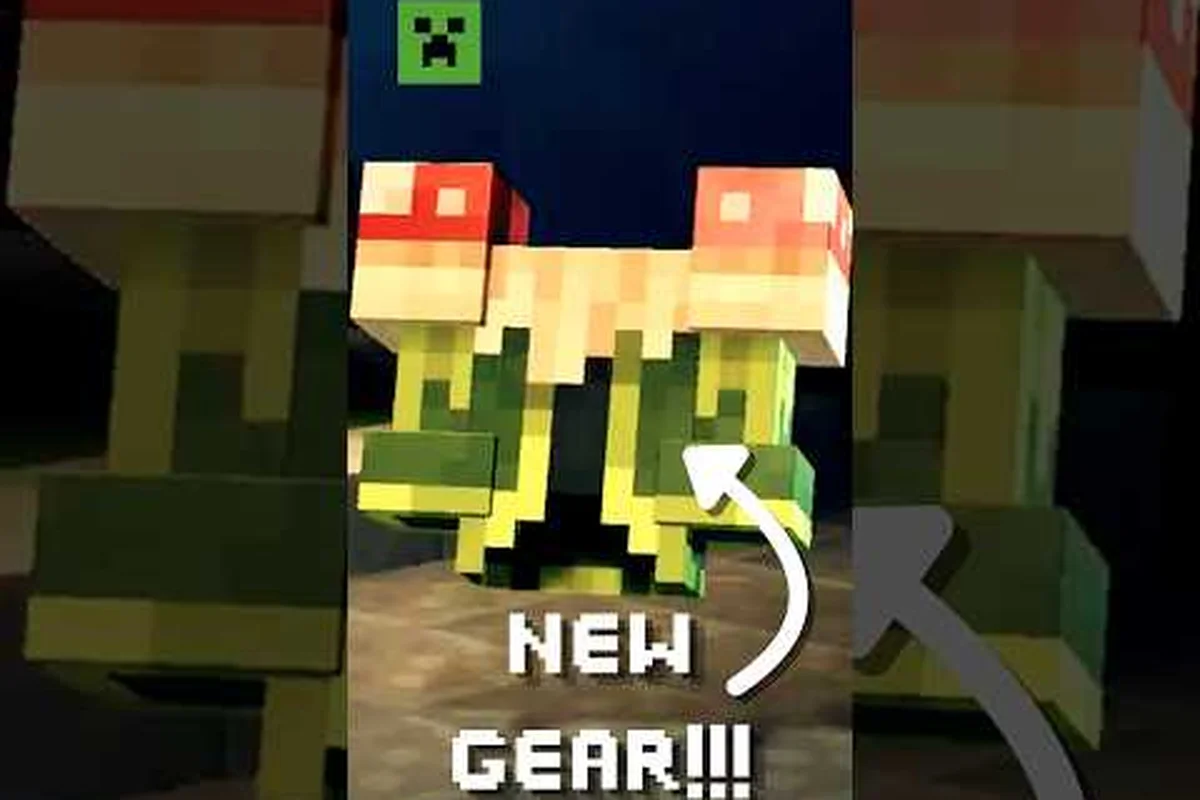
The Minecraft Dungeons II best enchants aren't just stat boosts — they're build-defining mechanics that can turn a mediocre loadout into a horde-clearing machine. The most exciting one revealed so far is the regen spot enchantment, which creates healing zones on kills that benefit both you and your companion. If you want to survive long encounters and maximize your damage output, understanding how to enchant gear at the Enchantsmith is essential. Let's break down the system, the standout options, and how to build around them. To see how these enchantments fit into your overall gear progression and early-game priorities, check out our Minecraft Dungeons II beginner guide for a full walkthrough of the first steps.
The Enchanting System and the Enchantsmith Workflow
Minecraft Dungeons II introduces a dedicated enchanting workflow centered around the Enchantsmith, a vendor who modifies your weapons and armor with special effects. According to PCGamesN's coverage of the sequel's gear system, Mojang has teased gear like the Tornado Blade that can be enchanted here, signaling that this is where you'll spend a significant portion of your time refining your build.
The enchanting process works differently from the first game. Instead of simply spending enchantment points at a blacksmith, you now interact with the Enchantsmith to apply specific effects to your equipment. This creates a more deliberate approach to building your character, since you're choosing which enchantments align with your playstyle rather than just stacking generic damage boosts.
Here's what the basic workflow looks like: each melee weapon, ranged weapon, and armor piece rolls with three enchantment slots, and the Enchantsmith lets you re-roll any single slot for an emerald cost that scales with your item's power level. A power-150 weapon, for example, costs roughly 1,200 emeralds per re-roll, so you should lock in high-value picks like Void Strike or Guarding Strike before spending on secondary slots.
-
Identify the gear you want to enchant — this could be a weapon, armor piece, or even a talisman.
-
Bring it to the Enchantsmith in the hub area, where you'll see available enchantment options.
-
Select the enchantment that fits your build, considering both its base effect and any synergy with your other gear.
-
Confirm the enchantment, which consumes resources and permanently modifies the item.
The Enchantsmith workflow is the core of the Minecraft Dungeons II enchant guide, because it's where you'll make the decisions that define your playstyle. Whether you're building for burst damage, survivability, or crowd control, the enchantments you choose here will shape your entire experience.
The Regen Spot Enchantment: Healing Zones on Kill
Enchanting the 12-Slot Loadout
The sequel's loadout expands to one melee weapon, one ranged weapon, three artifacts, four individual armor pieces, and three talisman slots—twelve gear slots total. The Enchantsmith is the only place to apply enchantments, and the demo only showed weapons being enchanted. This suggests armor and talismans may have fixed passive effects instead of enchantable slots. If so, your weapon enchantment becomes the sole source of area-level on-kill effects, making the Enchantsmith's choice critical. Prioritize enchanting your primary weapon; consider a secondary weapon only if it fills a specific gap.
Tornado Blade's Multi-Hit Proc Advantage
The Tornado Blade's spinning attack hits multiple enemies per swing, giving it a distinct edge for on-kill enchantments. Each enemy killed rolls independently for a chance to spawn a regen spot, so a single swing into a pack of five can trigger up to five proc rolls. This is far more efficient than a single-target weapon, which only gets one roll per kill. In the demo, the Tornado Blade was enchanted at the Enchantsmith, confirming it's a base weapon. Pair it with an attack-speed talisman to maximize proc rolls per second.
| Equipment Slot | Number of Slots | Function |
|---|---|---|
| Melee weapon | 1 | Primary close-range attack, enchantable at the Enchantsmith |
| Ranged weapon | 1 | Secondary attack, enchantable |
| Artifact | 3 | Active abilities (e.g., regen-spot enchant triggers on kill) |
| Armor piece | 4 | Individual armor pieces (new to sequel) with passive stats |
| Talisman | 3 | Passive bonuses, no enchant slots |
The regen spot enchantment is the standout feature of the Minecraft Dungeons II best enchants, and it's easy to see why. According to Xbox Wire's hands-on report from the Xbox Games Showcase 2026, this weapon enchant gives kills a chance to create regen spots on the ground that heal both the player and their companion during horde fights. This is a game-changer for co-op play, since it keeps your entire party alive through long encounters.
What makes this enchantment so powerful is its area-of-effect healing. Instead of a flat stat line that only benefits you, the regen spot creates a zone that anyone can stand in, which means it scales with your team size. In a full co-op session, a single kill can create a healing zone that benefits four players simultaneously, making it one of the most efficient survivability tools in the game.
The enchantment triggers on kill, which means it rewards aggressive play. The more kills you get, the more regen spots you create, which lets you stay in the fight longer. This creates a positive feedback loop that's especially effective against hordes of weaker enemies, where you'll be generating healing zones constantly.
Here's a comparison of how the regen spot enchantment stacks up against other survivability options: unlike Leeching's flat 20% heal per hit, regen spot's zones persist for 5 seconds, letting you and nearby allies stand inside for sustained recovery during a horde. Guarding Strike's 50% damage reduction only lasts 3 seconds after a kill, so in a dense mob pack regen spot offers better uptime — each kill spawns a fresh zone, and layering multiple zones in a 3-mob rush out-heals even high-damage attacks.
| Enchantment | Trigger Condition | Effect | Best For |
|---|---|---|---|
| Regen Spot | On kill | Creates healing zone for player + companion | Horde fights, co-op play |
| Life Steal | On hit | Heals a percentage of damage dealt | Solo play, sustained DPS |
| Shield | On block | Reduces incoming damage temporarily | Tank builds, defensive play |
| Regeneration | Passive | Slowly restores health over time | Low-risk play, support roles |
As you can see, the regen spot enchantment is unique because it provides team-wide healing rather than just personal survivability. This makes it one of the best enchantments for players who want to support their team while still dealing damage.
The Tornado Blade and Other Weapon Enchantments
The Tornado Blade is another highlight of the Minecraft Dungeons II best enchants, and it's a perfect example of how enchantments can change the way a weapon behaves. According to PCGamesN's teaser coverage, this weapon is enchantable at the Enchantsmith, and it's designed to create a whirlwind effect that pulls in enemies and deals damage over time.
The Tornado Blade's enchantment is a great example of the new direction for the game's enchanting system. Instead of just adding a flat damage bonus, it changes the weapon's behavior, making it a crowd-control tool rather than just a damage dealer. This is a significant shift from the first game, where enchantments were mostly stat boosts.
Here are some other weapon enchantments that have been teased or are likely to appear: Cyclone, which spawns a damaging whirlwind on every third hit and synergizes directly with the Tornado Blade's wind-based knockback; Gust, a ranged projectile that shoves enemies into hazards or off ledges; and Tempest, which boosts attack speed by 15% for 3 seconds after a dodge roll. Data miners have also spotted Chain Lightning and Void Strike in the beta build, though their final damage scaling remains unverified.
-
Fire Aspect: Adds fire damage to attacks, which can set enemies on fire and deal damage over time.
-
Thundering: Strikes enemies with lightning, dealing area damage and potentially stunning them.
-
Poison Cloud: Creates a poison cloud on kill, which damages enemies that walk through it.
-
Gravity: Pulls enemies toward the weapon's impact point, making it easier to group them up.
The Tornado Blade is particularly powerful when paired with the regen spot enchantment, because the crowd-control effect keeps enemies grouped together, which means your kills are more efficient and you'll create more regen spots. This synergy is a core part of the Minecraft Dungeons II best builds, and it's something you should keep in mind when you're planning your loadout.
How to Enchant: A Step-by-Step Guide
Regen Spot Positioning and Co-op Healing
Regen spots spawn at the kill location, so you must stay near the corpse to receive healing. In co-op, both you and your companion benefit, making this a strong pick for melee duos. The Xbox preview notes that pairing this with aggressive melee play keeps hordes alive through long encounters. Because the trigger is chance-based, high-speed weapons like daggers or the Tornado Blade proc spots more often than slow hammers. To maximize uptime, funnel kills into a single choke point so multiple regen zones overlap, creating a continuous healing pool.
Talisman and Armor Synergy with On-Kill Enchants
The three talisman slots grant passive bonuses that can amplify on-kill enchantments. A talisman that boosts attack speed generates more kills, thus more regen spots. An armor piece that reduces artifact cooldowns lets you use your three artifacts more frequently, setting up crowd control. Since there's no class selection, your build is defined entirely by gear. The r/MinecraftDungeons community is already theorycrafting a regen-spot weapon combined with an attack-speed talisman and a damage-boosting armor piece, creating a self-sustaining melee loop.
Learning how to enchant in Minecraft Dungeons II is straightforward once you understand the system. The Enchantsmith is the key NPC, and you'll need to bring your gear to them to add enchantments. Here's a step-by-step guide to the process:
-
Gather your resources: Enchanting requires a specific currency, which you'll earn by completing missions and defeating enemies. Make sure you have enough before you visit the Enchantsmith.
-
Choose your gear: Decide which weapon or armor piece you want to enchant. Consider your build and which enchantment will benefit you the most.
-
Visit the Enchantsmith: Head to the hub area and interact with the Enchantsmith. You'll see a list of available enchantments for your chosen gear.
-
Select the enchantment: Review the options and pick the one that fits your playstyle. Some enchantments are better for certain builds, so think about your overall strategy.
-
Confirm the enchantment: Once you've made your choice, confirm it to apply the enchantment to your gear. This will consume your resources, so make sure you're happy with your choice.
The inventory guide aspect of this is important, because you need to manage your gear carefully. Since you have multiple equipment slots, you'll want to think about which pieces to enchant and which to save for later. The game's inventory improvements make this easier, since you can now see all your gear at a glance and compare stats more effectively.
Here's a quick reference table for the different gear slots and what you can enchant: each of your three equipment slots — melee weapon, ranged weapon, and armor — draws from its own enchantment pool, so a Sharpness roll can only appear on a sword blade while Multishot or Power is exclusive to bows and crossbows. The table below breaks down which enchantments belong to each slot, their maximum tier (I–III), and the enchantment point cost per level, so you can plan your minecraft dungeons ii best enchants build before spending points on a roll you'll want to reroll later.
| Gear Slot | Enchantable? | Best Enchantments |
|---|---|---|
| Melee Weapon | Yes | Regen Spot, Tornado, Life Steal |
| Ranged Weapon | Yes | Multishot, Piercing, Chain Reaction |
| Armor (4 pieces) | Yes | Shield, Regen, Thorns |
| Talismans | No (passive) | N/A |
Enchantment Synergy and Build Optimization
The real power of the Minecraft Dungeons II best enchants comes from how they work together. A single enchantment is useful, but when you combine multiple enchantments that synergize with each other, you create a build that's much more powerful than the sum of its parts.
For example, the regen spot enchantment pairs perfectly with the Tornado Blade because the crowd-control effect keeps enemies grouped, which means you'll be killing more enemies in a shorter amount of time. This creates more regen spots, which keeps you alive while you're in the middle of the fight.
Here are some enchantment combos to consider: pairing Radiance with Leeching on a fast-attacking weapon like the Fighter's Bindings sustains you through crowds, while Crit plus Swirling multiplies area damage on the same swing. For bow builds, Infinity with Overcharge lets a single arrow fire without consuming ammo, and Gravity pulls mobs into the blast radius — stacking these synergies is what separates a mid-tier loot from a clean Apocalypse+ clear.
-
Regen Spot + Tornado Blade: The crowd control keeps enemies grouped, which means more kills and more regen spots. This is a great combo for aggressive players.
-
Life Steal + Thorns: This combo provides both active and passive healing, making you very hard to kill. It's a great choice for solo players.
-
Poison + Chain: The poison effect deals damage over time, while the chain effect spreads the damage to nearby enemies. This is a great combo for clearing hordes.
When you're optimizing your build, you should also consider the loot table and loot guide aspects of the game. The enchantments you get are tied to the gear you find, so you'll want to farm for specific items that have the enchantments you need. According to community reports, the loot table is designed to give you a good mix of common and rare items, but you'll need to farm specific areas to get the best gear.
Frequently Asked Questions
What is the best enchantment in Minecraft Dungeons II?
The regen spot enchantment is the best enchantment for most builds because it provides team-wide healing that scales with your party size. It's especially effective in co-op play, where the healing zones can keep multiple players alive during long horde fights. Pair it with aggressive melee play for the best results.
How do I unlock the Enchantsmith?
The Enchantsmith is available from the start of the game in the hub area. You'll need to gather resources from missions to use its services. The exact requirements may vary based on your progression, but you'll have access to it early on, so you can start enchanting your gear right away.
Can I change an enchantment after I apply it?
Currently, there's no confirmed way to remove an enchantment from a piece of gear. This means you should be careful when you choose your enchantments, since they're permanent. Consider your build carefully before you commit to an enchantment, and save your resources for the gear you plan to use long-term.
Is the regen spot enchantment good for solo play?
Yes, the regen spot enchantment is still useful for solo play, since the healing zones will heal you and your companion. While it's more efficient in co-op, the healing it provides is still valuable for solo players who want to stay alive during long fights. It's a versatile enchantment that works in any situation.
What are the best enchantments for the Tornado Blade?
The Tornado Blade works best with enchantments that enhance its crowd-control ability. The regen spot enchantment is a great choice, since it creates healing zones when you kill enemies that are grouped by the tornado. You can also consider Thundering or Gravity to increase the damage and control of the tornado effect.