
Talismans
Minecraft Dungeons II talismans explained — the sequel's brand-new passive slot system. All talisman effects, where to find them, best combos and how three slots change your build math.
Introduction
Talismans are Minecraft Dungeons II's headline new system — the clearest answer to the question of what actually changes in the sequel. Every hero equips three talisman slots that grant continuous passive effects, sitting alongside your weapons, artifacts and armor without competing for any of their space. The officially demonstrated example sets the tone: a companion talisman that summons a dog ally which attacks, draws enemy aggro, absorbs damage and respawns on a short timer. That is not a stat stick; it is a playstyle enabler. This section tracks every confirmed and expected talisman, explains how passives stack with weapon enchants like kill-triggered regen spots, and maps farming sources once drop tables go live after the September 29 launch. If you only study one new system before release, make it this one.
Talisman System Overview
| Aspect | Detail | Source | Status |
|---|---|---|---|
| Slot Count | Three passive slots per hero | Official reveal material | Confirmed |
| Companion Talisman | Dog ally: attacks, tanks aggro, respawns on timer | Gameplay demo | Demo-Verified |
| Enchant Synergy | Passives stack with weapon effects like regen spots | Xbox Wire hands-on | Confirmed |
| Drop Sources | Farming locations for the full roster | Pending community mapping | Post-Launch |
Talisman Highlights
Companion Talisman
Dog summon — the demo headliner
Regen-Spot Pairing
Passives × weapon enchants
Aggro Manipulation
Co-op role enabler
Post-Launch Farming Map
Drop sources, pending data
Core Mechanics
The talisman layer works because it occupies its own economy. Weapons handle damage, artifacts handle active cooldowns, armor handles defense — talismans add persistent modifiers that none of those slots provide. Three slots per hero means build math now includes standing effects: the demonstrated companion talisman runs continuously, summoning a dog that fights independently rather than triggering on demand. Interaction rules matter as much as individual effects. Official material confirms talismans stack with weapon enchantments — the regen-spot example pairs naturally with aggressive passives since both reward sustained engagement. Slot competition defines optimization: three slots cannot hold everything, so choosing between aggro manipulation, stat scaling and utility passives is where builds differentiate. The respawn-timer design on the dog companion also introduces timing awareness — knowing when your tank re-enters the fight shapes when you commit to damage windows. Post-launch, drop-source mapping and full-roster verification will convert these mechanics into concrete farming routes.
Advantages
Talismans reward players at every commitment level, which is rare for a new progression layer. Casual players gain power without learning rotations — passive bonuses apply by existing, making them the friendliest upgrade path in the game. Theorycrafters gain an entirely fresh optimization surface: because no equivalent existed in the 2020 original, everyone starts the meta from zero together, and early findings carry unusual weight. Co-op groups gain role flexibility — one player's companion talisman serves the whole party's aggro economy, multiplying value beyond personal stats. The system also future-proofs the game: DLC packs arriving post-launch can extend the talisman roster without touching core combat balance, giving long-term players fresh build math each content drop. And because Mojang demonstrated the flagship talisman publicly, day-one strategy rests on verified behavior instead of launch-week guesswork.
Challenges
New-system excitement deserves tempering with known limits. The confirmed talisman roster is currently tiny — essentially the companion dog plus the promise of more — meaning most of this section necessarily describes categories and expectations rather than complete lists. Drop sources are entirely unmapped until September 29, so farming advice waits on community data collection. Balance risk runs both directions: launch tuning frequently nerfs showcase abilities that proved too strong in demos, or quietly buffs overlooked passives, so early rankings will churn. There is also an interaction-opacity cost — passives stacking with enchants sounds straightforward, but exact coefficients (does the dog scale with your power level? do multiple players' talismans stack in co-op?) remain unanswered publicly. Our guides label each claim accordingly, and the first post-launch revision replaces expectation language with measured numbers wherever the community has data.
Frequently Asked Questions
What are talismans in Minecraft Dungeons II?+
How does the dog companion talisman work?+
How many talisman slots does each hero have?+
Where do I farm talismans?+
Quick Tips
Build around the dog first — the companion talisman is the only demo-verified effect, and aggro manipulation remains valuable regardless of what balance changes follow. Every other projection on this page rests on inference; this one rests on footage. If you plan a single talisman strategy before launch, anchor it to the summon whose behavior you have actually watched work.
Pair talismans with matching enchantments: passives stack with weapon effects, so regen spots plus sustain-oriented passives compound far past either alone. The stacking rule is officially confirmed, which makes synergy planning the highest-confidence theorycrafting available pre-launch — look for passives that reward the same aggressive positioning your enchant choices already demand.
Track the dog's respawn timer during boss attempts — committing to damage windows while your tank is down invites the exact punishment talismans exist to prevent. The demo showed the companion returning on a short timer rather than permanently dying, which turns its downtime into a rhythm: burst during uptime, reposition during the gap, never gamble both at once.
Re-check this section after launch patches: showcase abilities frequently receive day-one tuning, and early talisman rankings will move fast. The three-slot framework is stable, but individual effect values are exactly the kind of numbers launch balancing adjusts — a passive that projects S-tier in previews may settle B-tier within the first balancing pass.
In co-op, coordinate talisman roles across the party — two dogs beat one, but overlapping stat passives often waste slots better spent diversifying. Assign someone to companion duty explicitly, let others chase pure personal scaling, and revisit assignments whenever someone swaps builds: the right talisman distribution shifts with party composition far more than solo loadouts ever do.
Featured
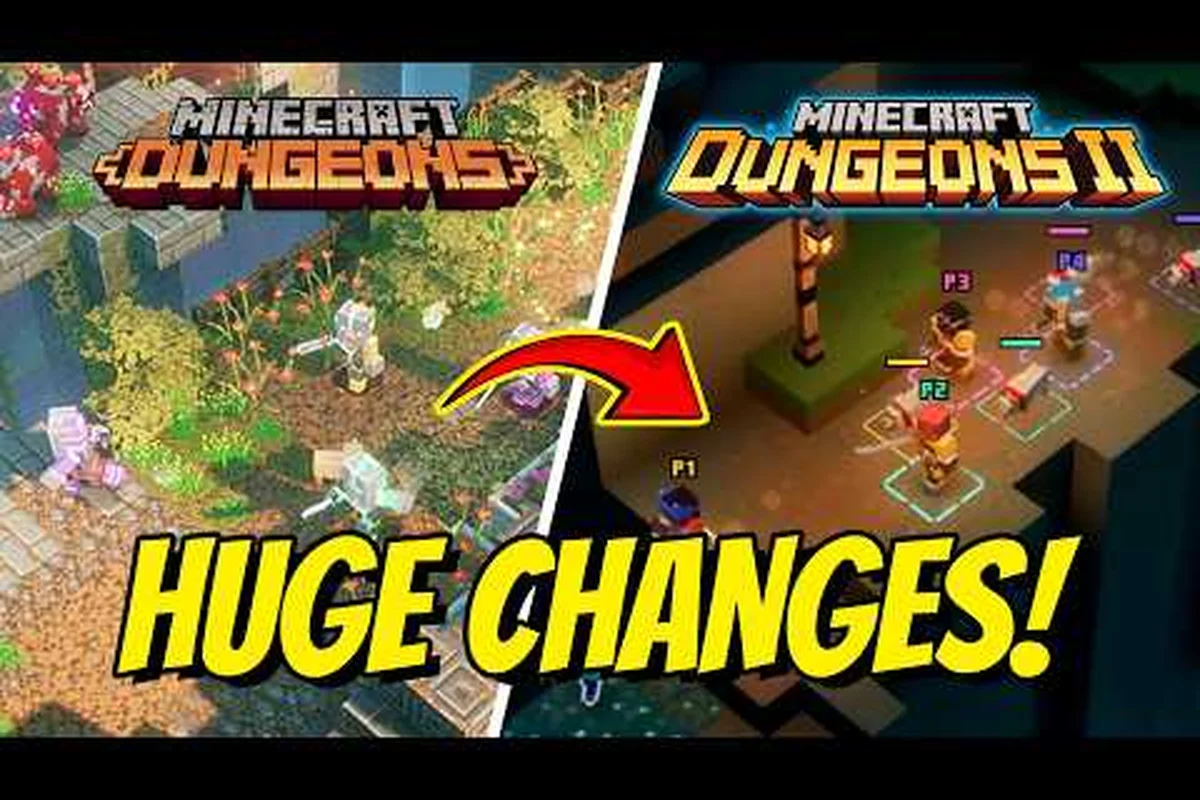
Minecraft Dungeons II Talisman Guide: Three Passive Slots
Master the Minecraft Dungeons II talisman guide: three passive slots that shape builds without touching weapons. Learn how the bone talisman's dog draws aggro.

Minecraft Dungeons II Talisman Combos: Passive Synergy
Discover the Minecraft Dungeons II talisman combos: pair passive effects across three slots for synergy. Learn which combos work with the bone dog and regen.

Minecraft Dungeons II Dog Talisman Companion Guide
Learn the Minecraft Dungeons II dog talisman: summon a bone companion that draws aggro, tanks damage, and respawns on a short timer. Find where it drops.
All Articles

Minecraft Dungeons II Talisman Rarity and Drop Sources
Explore the Minecraft Dungeons II talisman rarity: common to legendary passives, how rarity shapes your three slots, and where the bone talisman drops.

Minecraft Dungeons II Tanking Pet Talisman Aggro Guide
Master the Minecraft Dungeons II tanking pet talisman: the bone dog draws enemy aggro, absorbs damage, and respawns on a short timer to protect ranged builds.
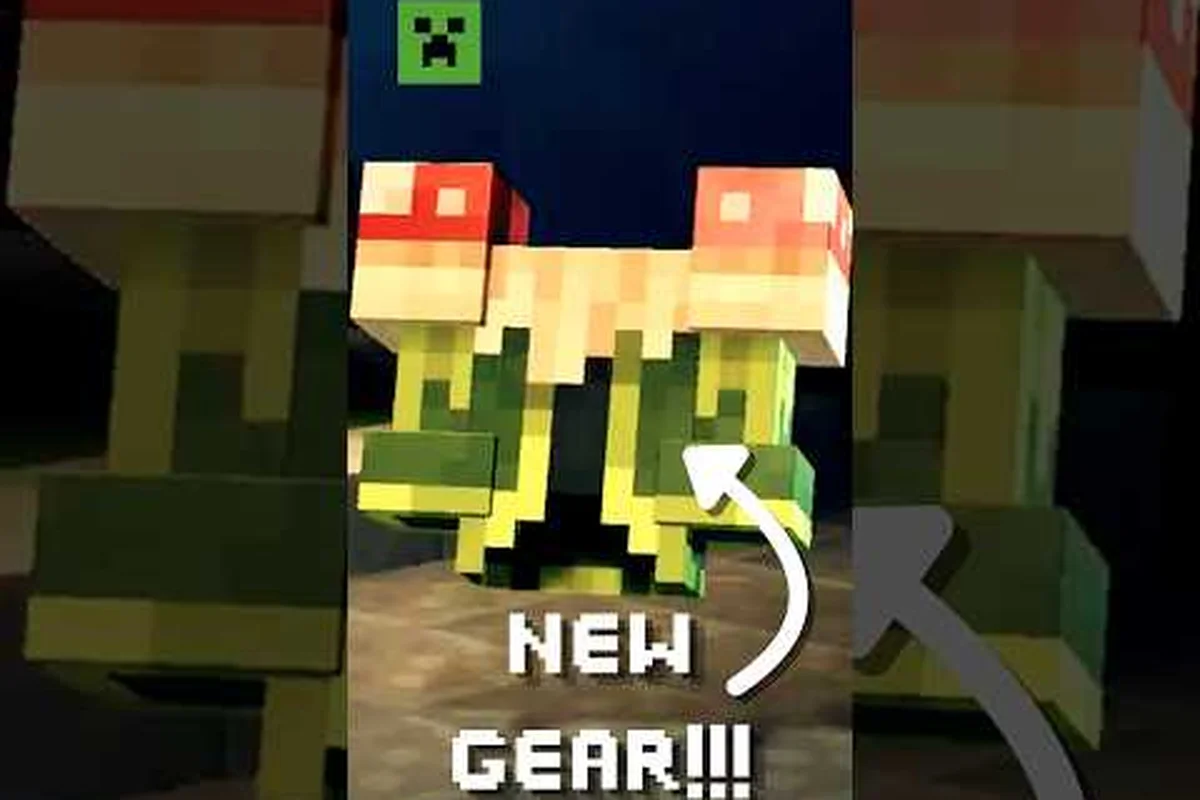
Minecraft Dungeons II Talisman Locations: Early to Endgame
Discover Minecraft Dungeons II talisman locations from early game to endgame: find the bone dog, XP talisman, and other passives across Overworld and rifts.