
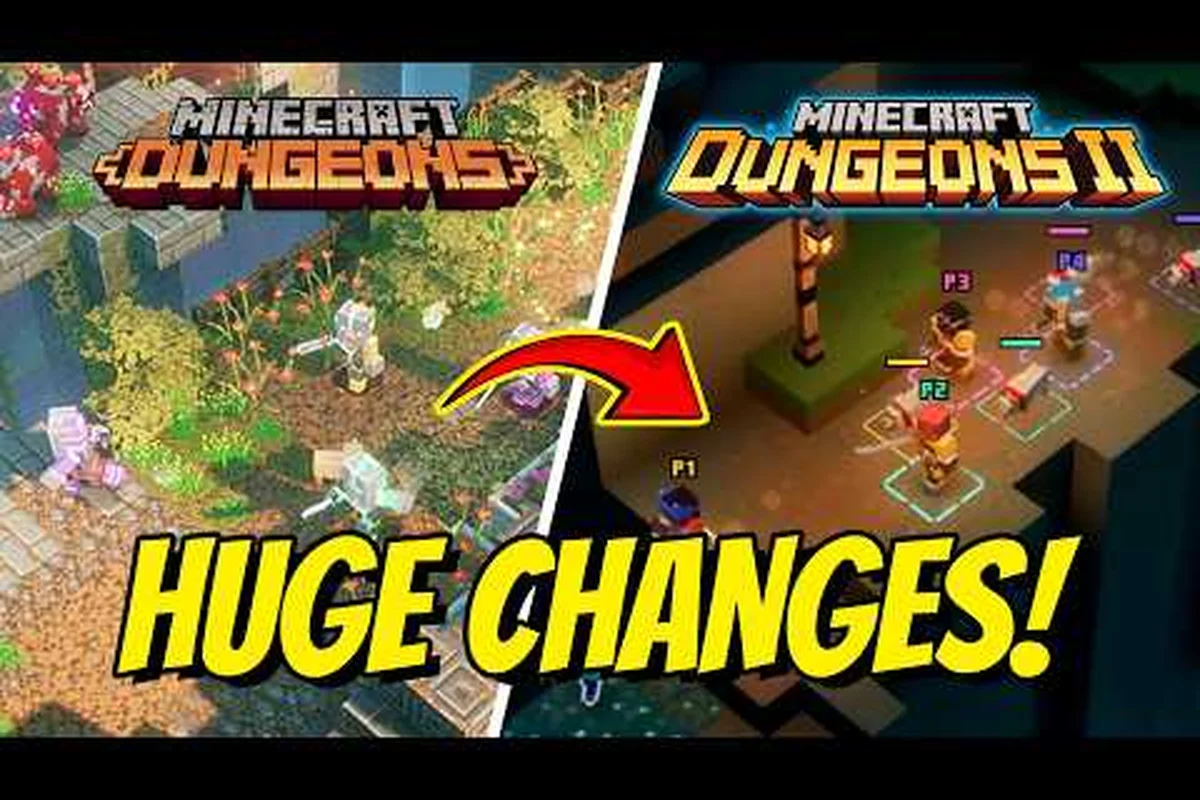
The Minecraft Dungeons II talisman guide is your key to understanding the sequel's biggest build shift: three dedicated passive slots that shape your hero without touching a single weapon. While the original game forced you to stack everything into gear, the new system lets you layer passive abilities that fundamentally change how you approach every dungeon. Because these slots are separate from your melee weapon, ranged weapon, and armor pieces, they open up build combinations that were impossible in the first game.
According to Xbox Wire's hands-on report, every hero now carries one melee weapon, one ranged weapon, three artifact slots for active abilities, four individual armor pieces, and three talisman slots granting passive bonuses. There is no class selection — your entire build comes from curated gear, and talismans are the layer that makes your loadout feel truly yours. If you want to survive hordes, burst down bosses, or support a co-op team, the right talisman setup is where that identity starts.
The Three Talisman Slots and How They Work
The core of the Minecraft Dungeons II talisman system is deceptively simple: you have three slots, and each one holds a single talisman that provides a passive bonus. These bonuses are always active once equipped, which means they stack with your weapon enchantments and armor perks to create layered effects. Unlike artifacts, which you activate manually and which have cooldowns, talismans work in the background — you equip them, forget about them, and feel their impact in every fight.
What makes this system so important is that it separates passive power from your active toolkit. In the original Minecraft Dungeons, you had to choose between a healing artifact and a damage artifact because your artifact slots were limited. Now, talismans handle the passive side of that equation, so your three artifact slots can stay focused on active abilities. This is the headline new system separating the sequel from its predecessor, per the Xbox Wire demo breakdown.
The Bone Talisman and the Companion Mechanic
The most talked-about option in the Minecraft Dungeons II talisman list is the bone talisman, which summons a dog companion that fights alongside you. According to the Xbox Wire hands-on, this dog attacks enemies, draws aggro away from you, takes damage in your place, and respawns on a short timer after going down. The writer called it their favorite demo find because it completely reshapes survivability.
For a solo player, the bone talisman effectively gives you a second body on the battlefield. That dog can pull aggro from a group of creepers or distract a boss long enough for you to reposition. In co-op, it adds another target that enemies must contend with, which means your team takes less overall damage. Because the dog respawns on a timer, you do not need to worry about permanently losing it — it is a renewable source of protection.
How Passives Stack With Other Gear
The real depth of the talisman system comes from how these passives interact with your other equipment. Since talismans grant passive bonuses that stack with weapon enchantments, you can create combinations like companion summoning plus regen-on-kill sustain. If you have a weapon that heals you on each kill, and a talisman that boosts your health regeneration, those two effects compound into a build that can survive almost anything.
This stacking is why the Minecraft Dungeons II talisman guide is so essential for new players. You cannot simply look at a talisman in isolation; you have to consider how it works with your armor pieces, your weapon enchantments, and your artifact choices. The system rewards thoughtful planning, and the best builds are the ones where every piece reinforces the others.
The Full Minecraft Dungeons II Talisman List and Effects
| Equipment Slot | Count | Purpose (per Xbox Wire demo) |
|---|---|---|
| Melee Weapon | 1 | Primary close-quarters damage |
| Ranged Weapon | 1 | Distance damage and utility |
| Artifact Slots | 3 | Active abilities (summons, attacks, buffs) |
| Armor Pieces | 4 | Individual armor slots (new to sequel) |
| Talisman Slots | 3 | Passive bonuses that stack with weapon enchantments |
While the full catalog is still being discovered, community testing has identified several talismans that appear across the game's difficulty tiers. The Minecraft Dungeons II talisman list is not static — it grows as you find rarer versions, and each rarity tier boosts the strength of the passive effect. Here is a breakdown of the talismans that have been confirmed so far:
| Talisman | Effect | Rarity | Best For |
|---|---|---|---|
| Bone Talisman | Summons a dog companion that draws aggro and takes damage | Common to Unique | Solo survivability, boss fights |
| Regen Charm | Increases health regeneration rate | Common to Rare | Sustain builds, long dungeons |
| Cooldown Sigil | Reduces artifact cooldowns | Rare to Unique | Artifact-heavy builds |
| Thorns Fragment | Reflects damage back to attackers | Common to Rare | Tank builds, melee focus |
| Swift Boots | Increases movement speed | Common | Speed farming, kiting |
This is not the complete list, but it gives you a sense of what to expect. Each talisman can drop in different rarities, and the effect scales with that rarity. A common Regen Charm might give you a small health tick, while a unique one could make you nearly unkillable outside of burst damage. The same logic applies to the Vengeful Shard, which reflects a percentage of incoming damage, and the Swift Boot, which boosts your movement speed for better positioning.
Rarity Tiers and Upgrades
The Minecraft Dungeons II talisman system uses the same rarity tiers as weapons and armor: Common, Rare, and Unique. Each tier increases the base strength of the passive effect, and Unique talismans often have an extra bonus on top of the main one. For example, a Unique Bone Talisman might summon a dog that also applies a slow effect to enemies it hits, while a Common one just summons a basic dog.
Because of this, the Minecraft Dungeons II best talismans are usually the Unique versions, but you should not ignore a Common talisman early on. A Common Swift Boot is still better than no movement speed at all, and you can always replace it later when you find a higher-tier version. The key is to understand what each talisman does, then upgrade as you progress.
Talisman Effects and Synergy
The Minecraft Dungeons II talisman effects are designed to work together. If you combine the Bone Talisman with a Regen Charm, you get a dog that tanks damage while you heal back up. If you combine the Vengeance Shard with a high-defense armor set, you become a walking hazard that punishes enemies for attacking you. The synergy is where the system shines, and it is why the talisman combos guide is a must-read for anyone looking to push their build further.
The Best Talismans for Different Playstyles
Now that you know the Minecraft Dungeons II talisman list, the next question is which ones you should actually equip. The answer depends on your playstyle, but there are a few clear standouts that work well in most situations. The Bone Talisman is the top pick for almost everyone because the dog companion is so versatile, but you should also consider your other gear before you commit.
Solo Survivability
For solo players, the priority is staying alive long enough to clear the dungeon. The Bone Talisman is the best choice here because the dog draws aggro and takes damage for you. Pair it with a Regen Charm to keep your health topped up, and you have a solid foundation. The third slot can go to a Vengeance Shard if you want to punish enemies that hit you, or a Swift Talisman if you prefer to kite.
Co-op Support
In co-op, the Bone Talisman is still great, but you might want to think about what your team needs. If you are the tank, the Vengeance Sigil and Regen Charm make you a wall that enemies cannot break. If you are the damage dealer, the Vengeance Shard and a Swift Talisman let you move in and out of combat quickly. The Vengeance Sigil is also useful for reducing the cooldowns on your artifacts, which can be a huge boost for a team that relies on active abilities.
The Best Talismans for Clear Speed
For farming runs, the Swift Talisman is hard to beat because it lets you move through the dungeon faster. Combine it with the Bone Talisman for safety, and you have a build that can clear rooms quickly without taking too much damage. The Vengeance Sigil is also useful here, because it lets you use your artifacts more often, which can speed up your clear time.
| Playstyle | Talisman 1 | Talisman 2 | Talisman 3 |
|---|---|---|---|
| Solo Survival | Bone Talisman | Regen Charm | Vengeance Shard |
| Co-op Tank | Vengeance Sigil | Regen Charm | Bone Talisman |
| Speed Farming | Swift Talisman | Bone Talisman | Cooldown Sigil |
Where Talisman Drops Come From
The Minecraft Dungeons II talisman system is tied to the game's difficulty and loot system. You will find talismans as drops from enemies, in chests, and as rewards for completing dungeons. The higher the difficulty, the better the rarity of the talismans you will find. This means that if you want the Unique Bone Talisman, you need to push into the harder difficulties.
The game's overworld map is a connected hub, so you can farm specific areas for better loot. The difficulty guide explains how the difficulty tiers work and which ones are worth your time. As a general rule, the higher the difficulty, the better the loot, but also the tougher the enemies. You need to balance your gear level against the challenge.
The Enchantsmith and Upgrades
Once you have a talisman you like, you can upgrade it at the Enchantsmith, the same NPC that upgrades your weapons and armor. This lets you increase the rarity of a talisman, which boosts its effect. The cost scales with the rarity, so you will need to farm gold and materials to get your talisman to the highest tier.
This is where the Cooldown Sigil becomes important, because it reduces the cooldown of your artifacts, which means you can use your active abilities more often. If you have a powerful artifact, this talisman can be a huge damage boost. The Vengeance Shard is also useful here, because it lets you use your artifacts more often, which can be a powerful boost for your team.
Advanced Talisman Strategies and Build Theory
Once you understand the basics, you can start building advanced strategies around your talismans. The Minecraft Dungeons II talisman guide is not just about picking the best ones; it is about understanding how they work together. The Bone Talisman is the centerpiece of many builds because it provides a companion that can tank, but you can also build around the Vengeance Shard for a more aggressive playstyle.
According to the official Xbox announcement, the talisman system in Minecraft Dungeons II is a core mechanic that players must master to effectively navigate the game's procedurally generated dungeons.
The Companion Build
The Companion Build centers on the Bone Talisman and any other talismans that summon or buff companions. The goal is to have a small army of creatures fighting for you, so you can focus on dealing damage. This build works well in co-op, because the companions can draw aggro from multiple enemies, giving your team more breathing room.
The Regen Tank
The Regen Tank build uses the Regen Charm and the Vengeance Shard to create a character that can outlast almost anything. The regen keeps your health up, while the Vengeance Shard reflects damage back to attackers. This build is slow but steady, and it works well against bosses because you can just soak up the damage and wait for the boss to kill itself.
The Speed Runner
The Speed Runner build uses the Swift Talisman and the Cooldown Sigil to move fast and use artifacts often. This is the best build for farming because you can clear rooms quickly and move on to the next one. The Bone Talisman is optional here, but it can help you survive if you get caught in a bad spot.
Frequently Asked Questions
What is the Minecraft Dungeons II talisman guide about?
This guide covers the three passive talisman slots, the full talisman list, and the best talismans for different playstyles. It explains how the system works—how each slot's passive ability triggers on different conditions like dodging, blocking, or landing critical hits—how to get the best talismans, and how to build around them.
How do I get talismans in Minecraft Dungeons II?
You get talismans as drops from enemies, in chests, and as rewards for completing dungeons. Rarity scales with dungeon difficulty — Apocalypse-tier runs drop Epic and Legendary talismans, while lower difficulties yield mostly Common and Rare. Upgrade them at the Enchantsmith using emeralds and cores to boost passive effects and unlock extra talisman slots.
What is the best talisman in Minecraft Dungeons II?
The Bone Talisman is the best all-around pick: it summons a dog companion that attacks enemies, draws aggro, and takes damage in your place, then respawns on a short timer after going down. It reshapes survivability in solo and co-op, and its passive stacks with weapon enchantments, making it a strong foundation for any of your three talisman slots.
Can I have multiple talismans?
Yes — you get three talisman slots, so you can equip up to three at once. Stacking two on-hit talismans doubles their proc rate, while the third slot covers a weakness like cooldown reduction. Pair effects that synergize, like the bone talisman's dog companion plus regen-on-kill sustain.
Do talismans stack with other gear?
Yes, talismans stack with your weapon enchantments and armor pieces. This is the key to building a strong character. You can combine a talisman that boosts your health regen with a weapon that heals you on kills for a powerful sustain.